
When Whole-House Repiping Is the Better Long-Term Plumbing Solution in Dacula, GA
If your water looks rusty, pressure drops for no reason, or you’re scheduling leak repairs every few months, it may be time to consider whole-house repiping. For many Dacula homeowners, replacing outdated lines once can be more reliable than chasing the next emergency. If you want a quick overview of the process and materials, explore our whole-house repiping page and then come back here for the deeper dive.
Dacula sits in Gwinnett County, where hot, humid summers, occasional winter freezes, and older building stock can be tough on plumbing. Homes built before the 1990s may still have galvanized steel or even mid‑1990s polybutylene supply lines. Over time, these materials corrode, scale, or become brittle, which leads to leaks, discoloration, and poor flow. That’s why many residents look at repiping a house as a lasting upgrade rather than another short-term fix.
What Whole-House Repiping Solves in Dacula Homes
Repiping replaces aging water supply lines throughout your home with modern materials. Done right, it addresses chronic problems and sets you up for stable pressure, clean water, and fewer interruptions.
- Frequent pinhole leaks or recurring slab or crawlspace leaks that keep coming back
- Rusty or discolored water, metallic taste, and staining of fixtures or laundry
- Low or wildly changing water pressure when multiple fixtures run
- Known problem materials such as galvanized steel or older polybutylene lines
- Visible corrosion at exposed pipe, valves, or water heater connections
In our climate, thermal swings and mineral buildup can accelerate wear inside small-diameter lines. If you’re noticing more than one of the issues above, ongoing patch repairs can cost more in disruption and risk than a planned repipe.
When Repairing Pipes Stops Making Sense
Many homeowners start with a single leak repair. That’s reasonable. But patterns matter. If leaks are happening in different spots every few months, it points to system-wide fatigue. Add in low flow, rusty water, or flakes clogging aerators and your old pipe replacement becomes a bigger conversation. For galvanized pipe replacement especially, interior corrosion narrows the pipe until pressure and water quality suffer everywhere.
Another moment to consider a repipe is when upgrading kitchens or baths. It’s smarter to modernize water lines before you invest in finishes so new tile, cabinets, and drywall don’t have to be opened later. Repiping first helps your remodel perform like it should with stable pressure and cleaner water.
Finally, if your home still has mid‑1990s polybutylene, proactively replacing those lines reduces the chance of surprise failures. Material age, not just visible condition, should guide the decision. A trusted home repipe contractor will evaluate material type, access points, and fixture count to recommend the right scope.
Choosing Materials: PEX vs. Copper for Gwinnett County Homes
Modern repipes in our area typically use PEX or copper. Each has benefits based on your home’s layout, access, and water chemistry. The goal is a durable system that fits your budget and minimizes wall openings.
- PEX (cross-linked polyethylene): Flexible runs mean fewer fittings inside walls, which can reduce potential leak points. It’s fast to install, resists scale, and performs well with pressure and temperature changes.
- Copper: Time-tested and excellent for certain layouts or exposed mechanical areas. It’s rigid, durable, and ideal where straight runs and high-heat environments are common.
Your plumber will help you weigh water chemistry, attic or crawlspace access, and fixture grouping. In many Dacula homes, PEX provides a balanced mix of performance and value, while copper remains a solid choice where it best fits the design.
How a Professional Repipe Works, Step by Step
Every home is different, but the workflow follows a clear pattern to protect your property and daily routine.
First, your plumber maps the existing system, counts fixtures, and identifies straightest access routes through the attic, crawlspace, or basement. Next, a small team opens targeted access points, installs new main runs, and ties in branches to fixtures. Old lines are isolated or removed as needed. Then the system is pressure tested and flushed so any debris is cleared before use. Finally, walls are patched and surfaces are prepped for paint.
Most projects are completed in phases that keep essential water service available as much as practical. Your crew will guide you on when to plan for short shutoffs so you can avoid critical times of day. If you want to see how repiping fits into other plumbing goals, review our full list of plumbing services and plan upgrades in one coordinated visit.
Local Factors in Dacula, GA That Affect Repiping
Local conditions can shape the design. Our hot summers and periodic winter cold snaps can stress older lines, especially in attics or exterior walls. Crawlspace humidity and clay soils around slab homes may influence how lines are routed and insulated. Water quality varies from home to home, and mineral content can speed up scale inside small-diameter galvanized lines.
In older Gwinnett County homes, access varies. Some houses offer easy attic paths, while others require strategic openings behind fixtures. Choosing an experienced, licensed plumber who knows regional construction styles protects finishes and speeds up the job.
Is Whole-House Repiping the Right Move for You?
It comes down to age, material, and repair history. If you have galvanized steel or polybutylene, frequent leaks, stained water, or pressure drops, repiping a house provides a reset. You’ll get cleaner water, steadier showers, and a system designed to handle modern appliances. Families also appreciate that planned work means predictable timing, not a late-night leak turning into a ceiling repair.
What to Expect During and After the Project
Your crew will cover floors, protect work areas, and outline any short water shutoffs. After installation, a pressure test checks every connection, and lines are flushed to clear harmless installation particles. Minor wall or ceiling patches are normal where access holes were needed. Most homeowners find that life returns to normal quickly and that new lines deliver smoother pressure to showers, kitchens, and laundry.
For a deeper look at scope and options, you can review our page on repiping services and then schedule a visit for an in‑home evaluation.
Upgrades That Pair Well With a Repipe
While walls are open and lines are accessible, many homeowners consider complementary improvements. These can make the most of crew time and reduce future disruptions.
- Shutoff valve upgrades at key fixtures
- New supply lines to water heater and appliance connections
- Optional filtration or conditioning based on your home’s needs
- Fixture reconfiguration for better pressure balance
Coordinating these upgrades can be more efficient than spacing them out. Your project lead will walk you through what makes sense for your layout and goals.
Common Myths About Repiping
Myth: Repiping means weeks without water. Reality: Work is staged, and shutoffs are planned in short windows to keep your routine intact. Myth: All old pipe must be ripped out. Reality: In many cases, safe isolation is cleaner for your home and faster for the team. Myth: You can judge pipe health by looks alone. Reality: Interior corrosion and scale aren’t obvious from the outside, which is why pressure, water color, and leak history matter most.
How We Evaluate Your Outdated Plumbing System
During an on-site assessment, a licensed plumber documents materials, access routes, fixture count, and any code or best-practice updates that apply. We discuss attic, crawlspace, or basement paths and how to protect surfaces. Then we provide a clear scope with materials that fit your home and season. The exact timing varies by home size and layout, but you’ll have a schedule before work begins.
Learn More and Plan Ahead
If you like to read before you decide, browse our latest plumbing articles for homeowner-friendly insights about leaks, water quality, and system upgrades. You’ll find short reads that help you spot early warning signs and understand the benefits of a full plumbing pipe upgrade.
Why Choose Leemook Plumbing LLC for Your Home Repipe
Local knowledge matters. Our team works on homes across Dacula and surrounding Gwinnett County every week, so we understand regional construction methods and seasonal challenges. We use trusted materials, protect your home during access, and communicate clearly so you know what’s happening each day. Our goal is a reliable system that supports daily life without surprises.
When you’re comparing options, look past the quick fix. A well-planned repipe helps prevent water damage, improves fixture performance, and sets a dependable baseline for future improvements. If your home has repeated leaks or aging materials, whole-house repiping is often the better long-term plumbing solution.
Take the Next Step With Confidence
Ready to protect your home’s plumbing for the long run? Start with a friendly walk-through and recommendations tailored to your layout. Many homeowners begin at our homepage to learn more about whole house repiping in Dacula, GA and other services, then book a visit that fits their schedule.
Have questions right now? Call Leemook Plumbing LLC at 678-831-6399 to talk with a licensed plumber, or schedule your project by visiting our page on whole-house repiping.
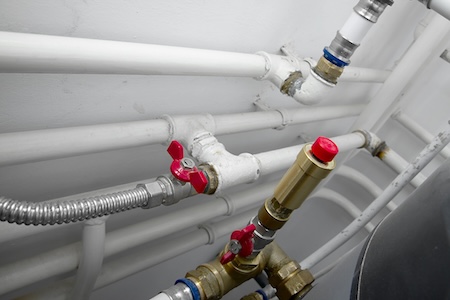
Get A Free Quote
Our Services
-
Plumbing Repairs
Learn More About Our Plumbing Repairs -
Whole House Repiping
Learn More About Whole House Repiping -
Water Heater Replacement
Learn More About Water Heater Replacement

Where We Work
We serve homeowners and businesses across communities with responsive scheduling, organized crews, and results that last, making it easy to get help whenever plumbing issues appear. If you're in the Suwanee area and are in need of a reliable plumber, you can always trust Leemook Plumbing LLC!